Description
About this SWMS for Telehandler Operation
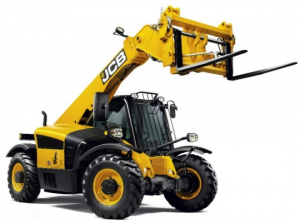
Telehandlers are an essential piece of equipment for many types of construction and industrial projects but, they can be dangerous if used improperly. This SWMS covers the hazards and risks associated with undertaking work that involves the operation of a telehandler.
Note: Depending on a work site’s specific rules and/or your State or Territories high risk construction work requirements, a forklift license (LF) if in forklift mode and a CN license if in crane mode may be required, or alternately a TSH card and/or another unit of competency may be required.
A CN license is mandatory if the capacity of the telehandler exceeds 3 tonnes and is fitted with a boom, or jib and hook block.
Job steps that are covered in the safe work method statement include:
- Planning and preparation.
- Unloading and loading.
- Telehandler preparational work.
- General telehandler operation.
- Fitting attachments.
- Telehandler interacting with workers.
- Re-fuelling.
- Cleaning area and packing up equipment.
This SWMS for telehandler operation includes:
- A risk assessment and risk assessment matrix.
- Qualifications and training requirements.
- Potential hazards and risks when operating and working near a telehandler.
- Control measures, checks and monitoring activities.
- Actions for implementation, monitoring and reviewing of the SWMS.
- Personal protective equipment (PPE)
- Inspections and maintenance checks that are required.
- Responsibilities.
- A consultation and sign-off record.
- Legislation references.
Why Choose to Buy this SWMS for Telehandler Operation?
- Telehandler safety is essential for operators to understand and abide by to ensure their own safety and the health and safety of those around them.
- Also, careful consideration needs to be given to the many varied configurations that a telehandler can operate in.
- This SWMS can assist you facilitate the safe operation of a telehandler and the reduction, as far as reasonably practicable of all hazardous interactions.
After purchasing this SWMS for a telehandler you will be able to:
- Very easily edit and customize the template to create your own telehandler SWMS.
- Apply your own style, format and brand to the safe work method statement.
- Enable compliance with Australian legislation, codes of practice and standards.
Availability and Use of this SWMS for Telehandler Operation
- This SWMS for a telehandler is accessible to you right now by clicking the ‘Buy Now’ button.
- The SWMS will be delivered to you in fully editable Microsoft Word format for immediate and full use in your business.
- There are no subscriptions, contracts or ongoing costs.
This SWMS for telehandler operation is 100% satisfaction guaranteed.
You may also require: