Description
About this SWMS for Commissioning Work
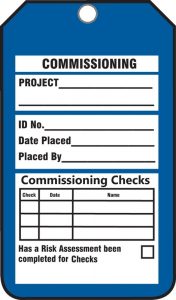
Commissioning refers to the process of preparing and testing a new piece of equipment, system or a facility to ensure it meets all customer requirements. Commissioning work can be hazardous, so it is important to take the necessary steps to ensure the safety of all involved.
This SWMS outlines the processes to manage commissioning risks and enable a commissioning project to be undertaken safely. The SWMS outlines various safety matters such as, implementing safety protocols, conducting risk assessments, providing training and monitoring the commissioning work area.
Job steps that are covered in the safe work method statement include:
- Planning and preparation to identify the work site requirements.
- Review the site.
- First aid provisions.
- Site amenities.
- Site access.
- Hours of work.
- Traffic management.
- Environmental management.
- Emergency management and fire protection.
- Establish plumbing, electrical and other required services.
- General work activity tasks.
- Movement of mobile plant.
- Earthworks.
- Clean-up and end of day pack up.
This safe work method statement includes:
- A risk assessment and risk assessment matrix.
- Qualifications and training requirements.
- Potential hazards and risks (e.g. electric shock or uncontrolled release of energy) associated with commissioning work.
- Control measures, checks and monitoring activities.
- Actions for implementation, monitoring and reviewing of the SWMS.
- Personal protective equipment (PPE)
- Inspections and maintenance checks that are required.
- Responsibilities.
- A consultation and sign-off record.
- Legislation references.
Why Choose to Buy this SWMS for Commissioning Work?
- Commissioning work safety protocols are essential for any construction project. Overlooking or skipping these safety protocols can lead to injuries and costly damages.
- This SWMS can assist you and your commissioning team manage the hazards and risks associated with a commissioning work project.
After purchasing this safe work method statement you will be able to:
- Very easily edit and customize the template to create your own commissioning work SWMS.
- Apply your own style, format and brand to the safe work method statement.
- Enable compliance with Australian legislation, codes of practice and standards.
Availability and Use of this SWMS for Commissioning Work
- This SWMS is accessible to you right now by clicking the ‘Buy Now’ button.
- This SWMS will be delivered to you in fully editable Microsoft Word format for immediate and full use in your business.
- There are no subscriptions, contracts or ongoing costs.
This SWMS for commissioning work is 100% satisfaction guaranteed.
You may also require: