Description
About this SWMS for Managing Respirable Dusts
This SWMS defines how employers can safely manage respirable dusts (e.g. silica dust) to enable a safe and healthy work environment for their employees.
The SWMS outlines the assessment of dust levels, using the appropriate personal protective equipment, implementing safety controls, providing adequate ventilation and monitoring.
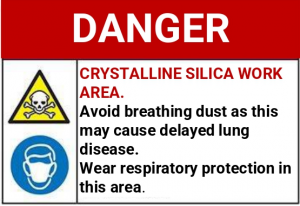
Harmful respirable dusts can be found in materials such as sand, soils, masonry, concrete, granite, rock, natural stone and other construction materials.
Note: The workplace eight-hour time-weighted average exposure standard that must not be exceeded for respirable crystalline silica content (silica dust) is 0.05 mg/m3.
Job steps that are covered in the safe work method statement include:
- Planning and preparation.
- Preparing the work area and dust control.
- Operation of tools where hazardous dusts are produced.
- Disposal.
This SWMS for managing respirable dusts includes:
- A risk assessment and risk assessment matrix.
- Qualifications and training requirements.
- Potential hazards and risks when working with respirable dusts.
- Control measures, checks and monitoring activities.
- Actions for implementation, monitoring and reviewing of the SWMS.
- Personal protective equipment (PPE)
- Inspections and maintenance checks that are required.
- Responsibilities.
- A consultation and sign-off record.
- Legislation references.
Why Choose to Buy this SWMS for Managing Respirable Dusts?
- Respirable dusts are tiny particles that can enter your lungs when breathed in.
- These particles are so small that they cannot be seen by the human eye and can cause very serious health problems if inhaled.
- This SWMS can assist you and your work team understand the hazards and risks associated with respirable dusts and take the necessary safety precautions to eliminate or minimise risks to health and safety.
After purchasing this SWMS you will be able to:
- Very easily edit and customise the safe work method statement template to create your own managing respirable dusts SWMS.
- Apply your own style, format and brand to the safe work method statement.
- Enable compliance with Australian legislation, codes of practice and standards.
Availability and Use of this SWMS for Managing Respirable Dusts
- This SWMS is accessible to you right now by clicking the ‘Buy Now’ button.
- This SWMS will be delivered to you in fully editable Microsoft Word format for immediate and full use in your business.
- There are no subscriptions, contracts or ongoing costs.

This SWMS for managing respirable dusts is 100% satisfaction guaranteed.
You may also require: